

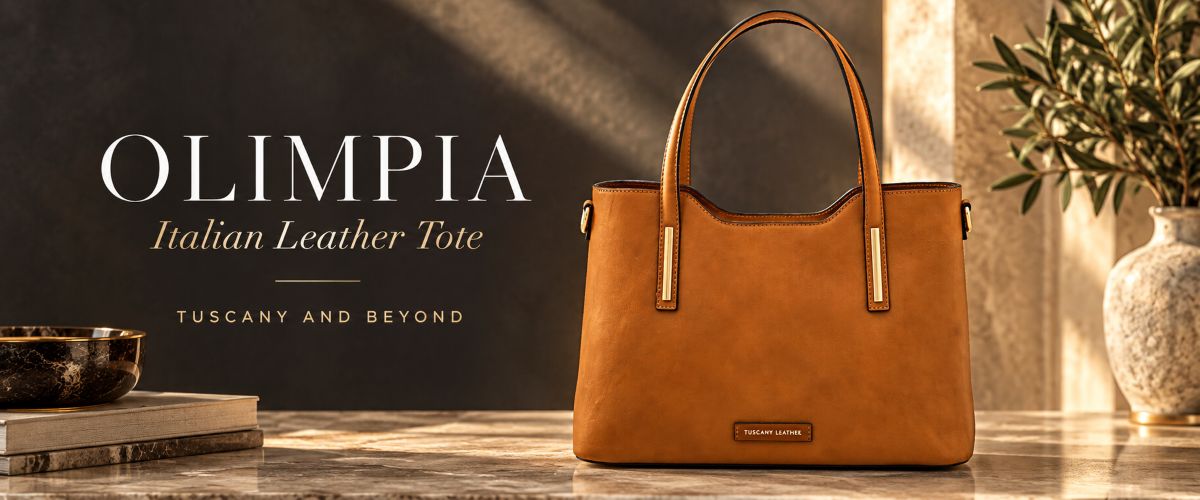
A leather tote and a backpack may fit the same laptop, notebook and bottle, yet feel very different during the journey to work. The useful comparison starts with the moments between your front door and your desk: walking, boarding a train, finding a pass and putting the bag down. Match the shape to those repeated actions before choosing a colour.
Map the journey, including the small transitions
Break a normal commute into walking, transport and arrival. Note when you need both hands and which objects you retrieve most often. A short drive followed by a meeting creates different demands from a walk with several train changes. Neither bag format wins automatically; the route tells you what to test.
Also include the final part of the day. A bag that works well on the way to your desk may become awkward when you add shopping or carry a coat home. Write down your regular contents rather than packing for every possible exception.
Test a tote for access and closure
A tote can make frequent access straightforward, especially when its opening stays clear of your documents. Try the handles over the jacket you usually wear. Check whether you can lift the bag onto your shoulder easily and reach inside without wrestling with the straps.
An open top and a zipped top serve different preferences. Consider crowded transport, where you place the bag and how much you want enclosed. With the normal contents inside, close it fully and check that a bottle stays upright. A wide opening is only useful if small items remain easy to find.
Test a backpack beyond the shoulder straps
A backpack leaves your hands available while you wear both straps. Adjust the actual model with your usual load and assess the strap range, attachment points, back panel and overall feel. The word backpack alone is no guarantee that a particular design will be comfortable for you.
Then take it off. On a crowded train or while sitting, you may need to hold it in your hand. Check the top handle, the way it rests beside a chair and whether you can reach a pass without exposing the main compartment. For more options, explore our leather bag guides.
Use the same load for both bags
Bring the laptop in its sleeve, charger, closed bottle, notebook and small pouch that normally travel with you. Confirm internal dimensions rather than relying only on a screen-size label. If a bag has a laptop compartment, check its opening and padding as well as its stated capacity.
Compare total weight, unused space and the effort required to retrieve an item. More room is not automatically better if the contents slide around or encourage unnecessary packing. Where a retailer permits it, try a short walk, sit down and take the laptop out. Follow the trial and return conditions during any home assessment.
Choose for your most frequent day
If your route is short and you retrieve things often, a tote with a suitable closure is a sensible starting point to try. If walking and transfers dominate, start by trying a backpack. These are practical starting points, not rules about gender, profession or appearance.
For a week with very different routines, decide which bag would cover most days and whether one you already own can cover the exception. Once you know your required capacity, closure and carrying method, compare the available designs at Tuscany Bags, checking each model against your own daily kit.